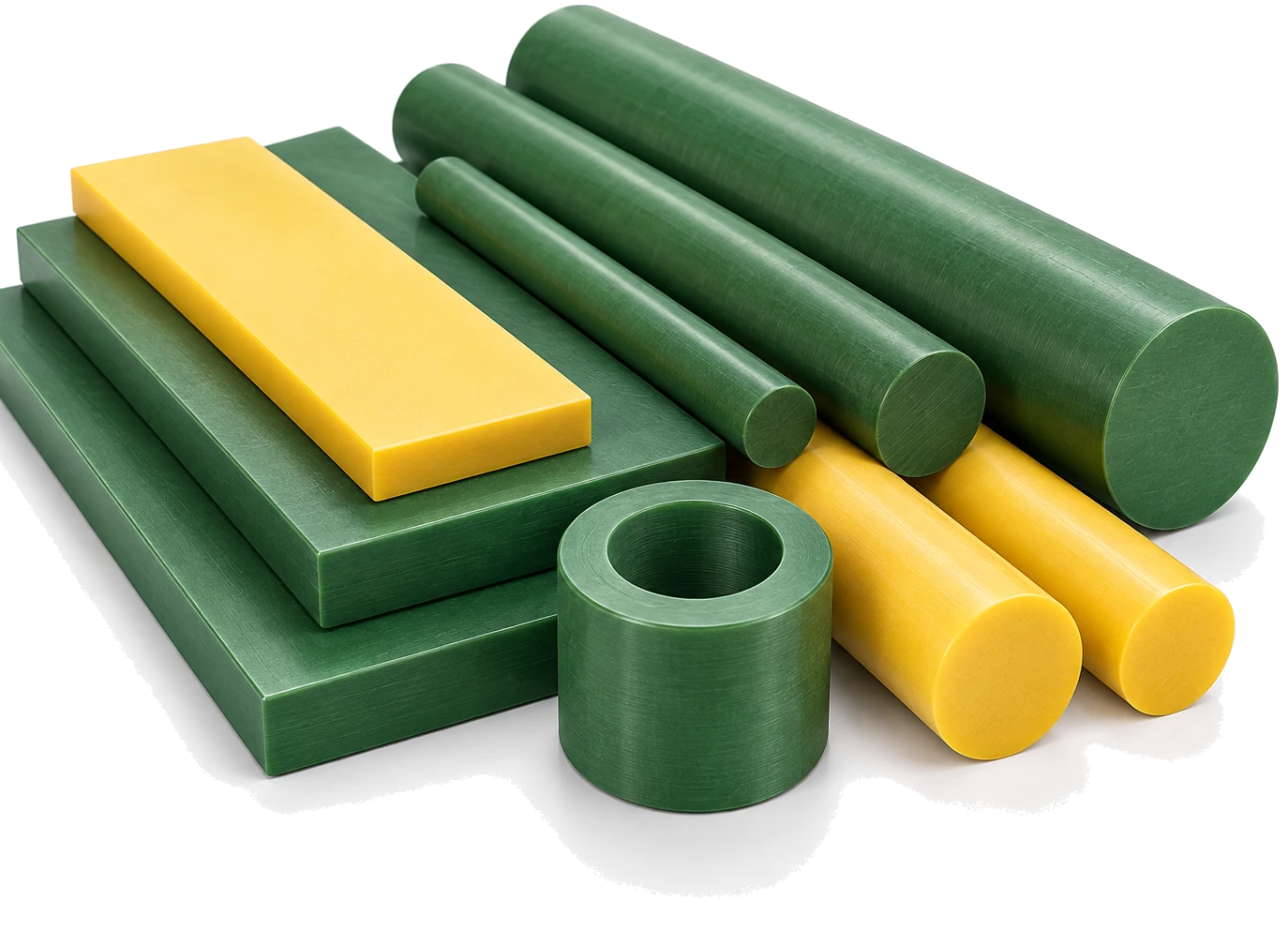
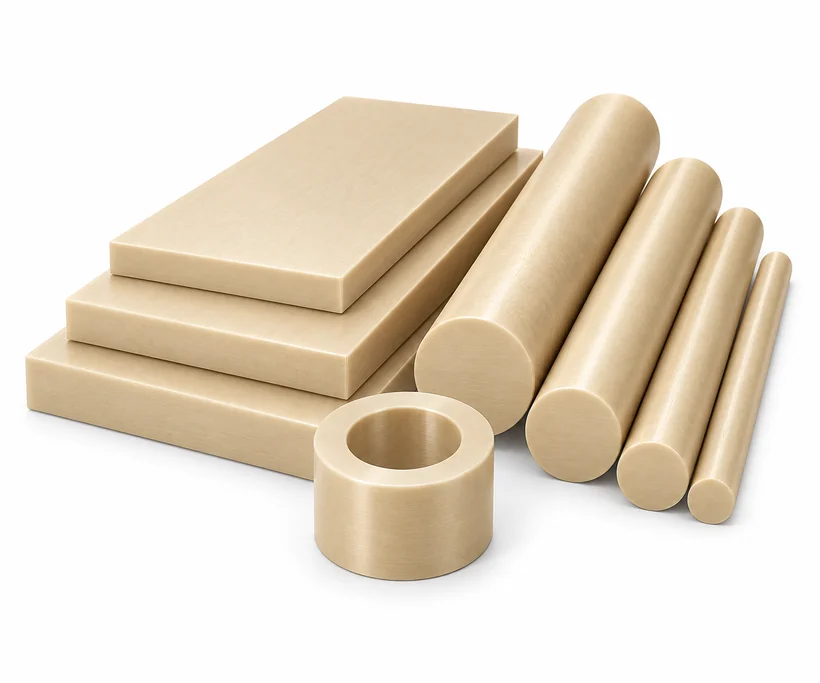
Polyetheretherketone (PEEK)
PEEK (polyetheretherketone) is an ultra-high-performance semi-crystalline thermoplastic that offers the highest temperature resistance in its family and unmatched dimensional stability. Unfilled, it combines the highest elongation and toughness of the PAEKs with excellent sliding properties, abrasion and tear resistance, and is self-extinguishing (UL 94 V0). It withstands continuous service from −60 to 250 °C with excellent electrical insulation, ideal for the aerospace, medical, chemical and teletronics industries.
| Commercial | Designation | Family | Density |
|---|---|---|---|
| Polyetheretherketone (PEEK) | PEEK | Semi-crystalline thermoplastic | 1.31 g/cm³ |
| Component | Identification |
|---|---|
| Base polymer | Polyetheretherketone (PEEK) |
| Family | Polyaryletherketone (PAEK) |
| Repeating chemical unit | (C₁₉H₁₂O₃)ₙ |
| Reference density | 1.31 g/cm³ |
| Water absorption | 0.2 % |
| Structure | Semi-crystalline (unreinforced) |
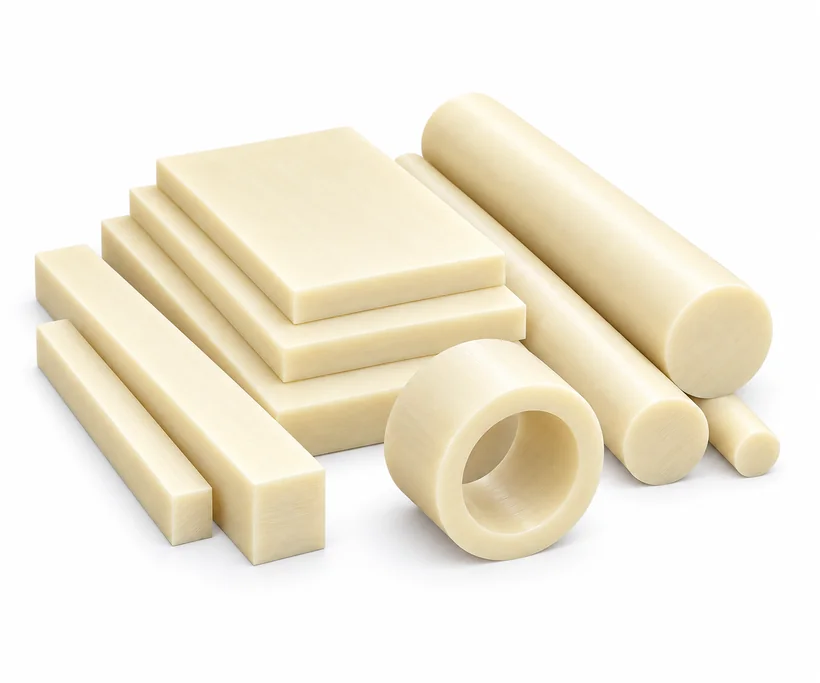
| Pigmentation | Natural (beige) |
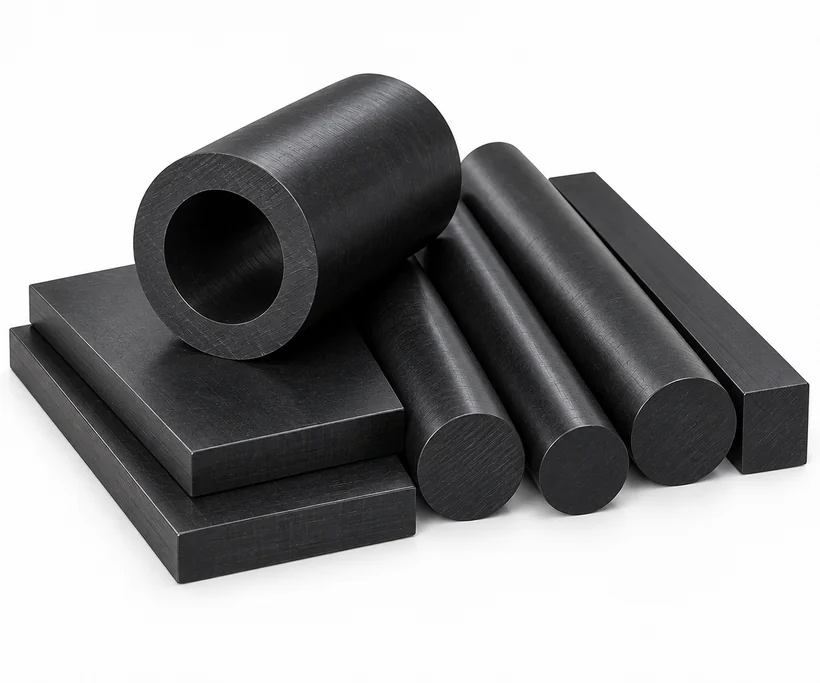
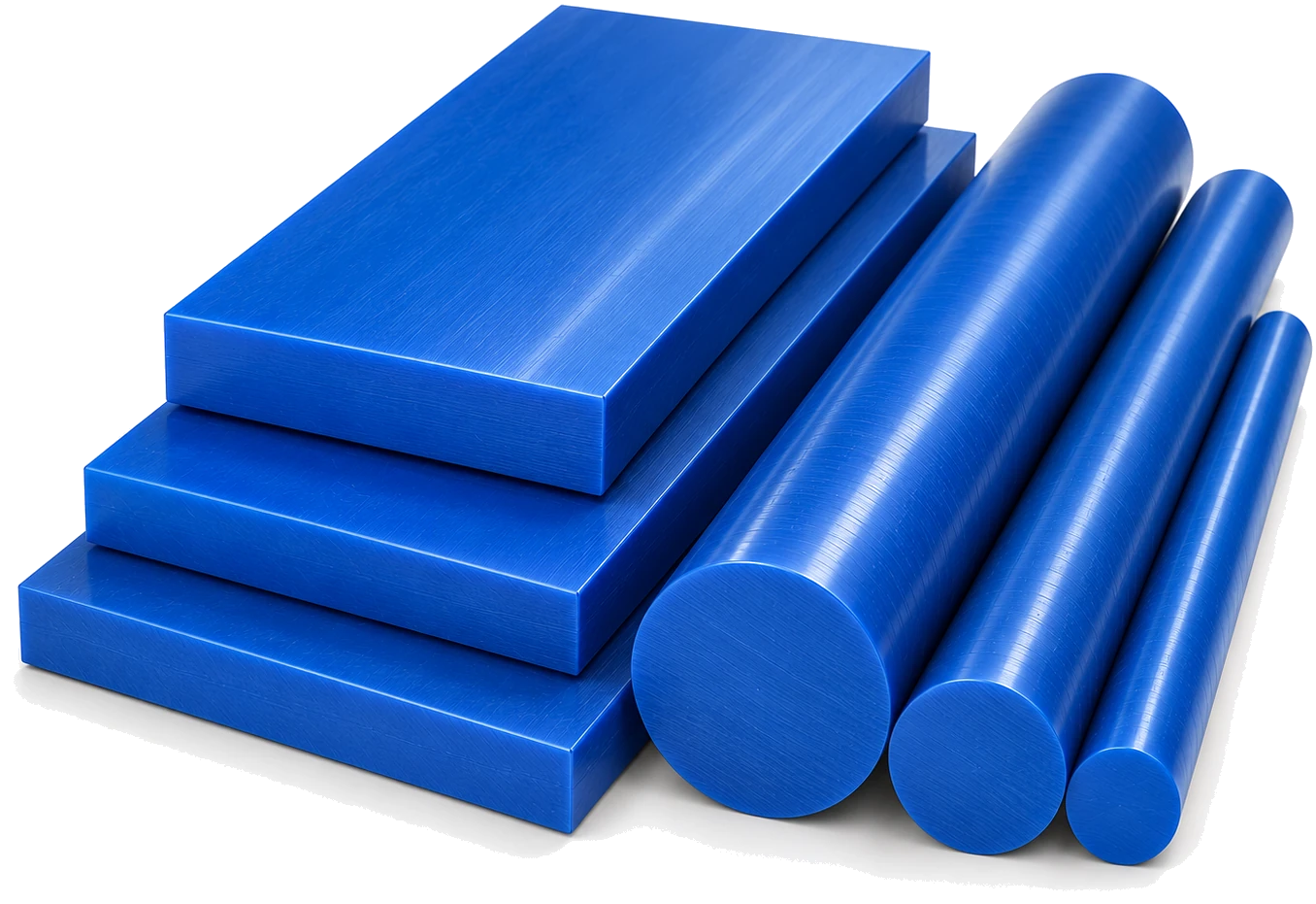
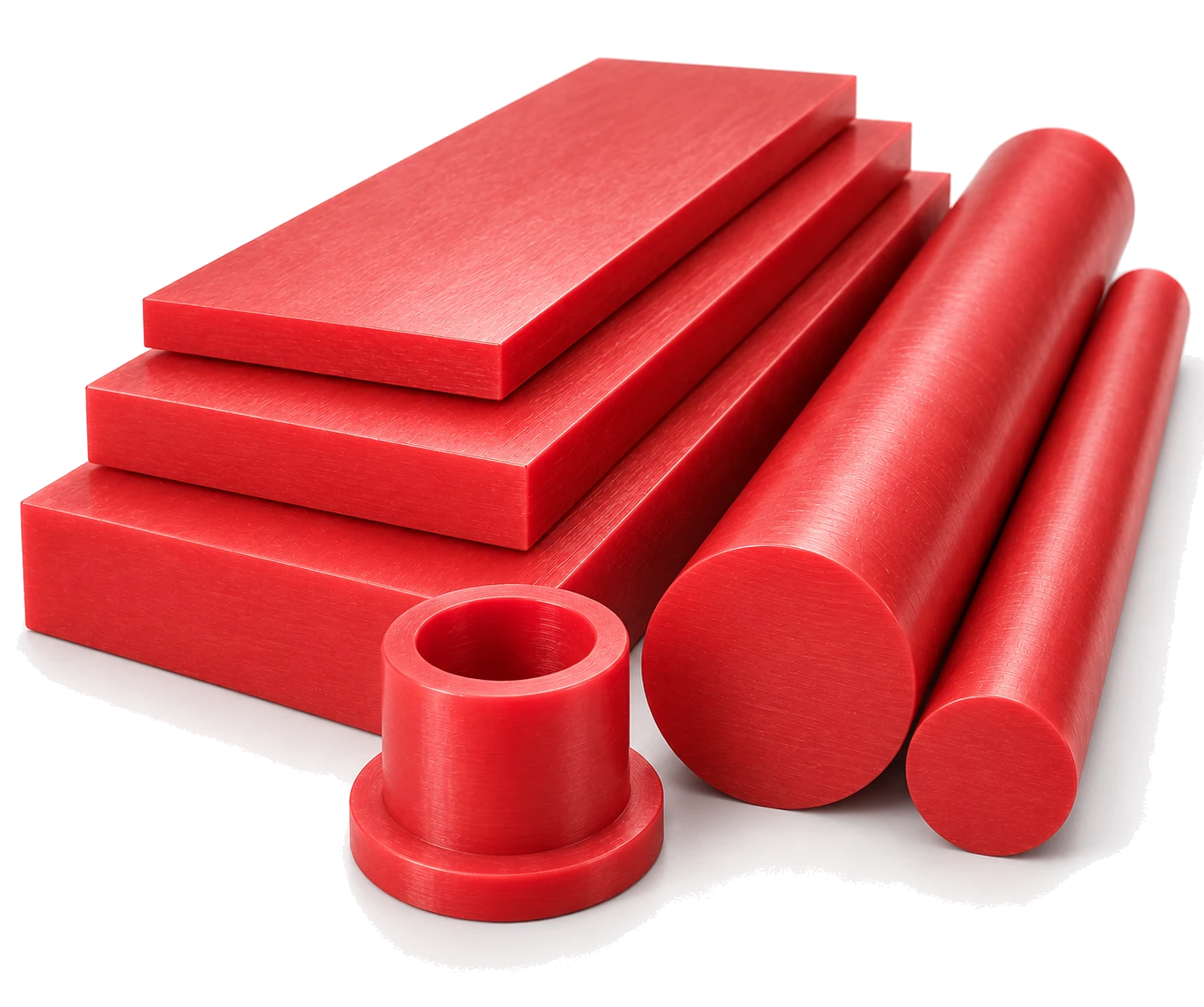
 ExtrudedSemi-finished bars and sheets for cutting and machining
 Round bars3/8" – 3"9.5 mm – 76.2 mm
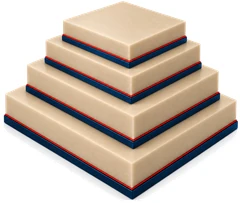 Plates1/4" – 2"6.35 mm – 50.8 mm
- Electrical insulators and housings
- Cables and cable insulation
- Rotor arms
- Friction discs and gaskets
- Shock absorbers
- Components for analytical equipment
- Components for dialysis equipment
- Valve liners
- Pump impeller wheels
- Parts for high temperatures
- Parts under high mechanical load
- Aerospace components
- Sterilizable (medical) parts
- X-ray and gamma-ray resistant elements
- Chemical engineering components
- Sliding and wear parts
Note: Natural (unreinforced) PEEK; the highest service temperature and dimensional stability in its family. Values are for reference and may vary by grade. In engineering plastics, composition is identified by the base polymer, the process and its modifications, not by chemical percentages as with steels. The information and values in this data sheet are provided for reference only and may vary depending on manufacturing and application conditions. They do not constitute guaranteed specifications, so use and interpretation of this data is the user's responsibility.