 Steel
SteelWhat is 8620 steel and what is it used for? The carburizing steel
8620 steel is different from the other machinery grades: it is not used for its as-supplied hardness, but because it is made to be carburized. With the right treatment it gets the best of both worlds: a very hard, wear-resistant surface with a tough core that withstands shock. In this guide we explain what 8620 steel is, how it is carburized, what it is used for and in which sizes we carry it.
What is 8620 steel?
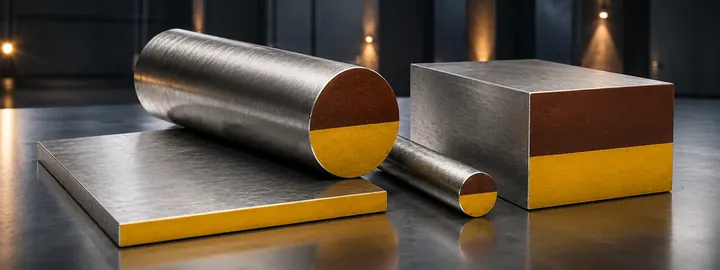
8620 is a low-alloy, low-carbon chromium-nickel-molybdenum steel designed for carburizing (also called case hardening). Because it has little carbon, it is soft and tough as supplied; carbon is added only at the surface during heat treatment to harden it. The result is a part with a hard "skin" and a tough "core".
It is the reference steel for parts that rotate and mesh: they need a surface that withstands friction without wearing out, but also a core that absorbs impact without breaking.
Chemical composition of 8620 steel
This is the typical composition of 8620 steel (AISI 8620 standard):
| Element | Contents | What for? |
|---|---|---|
| Carbon (C) | 0.18 – 0.23 % | Low, so the surface can be carburized |
| Silicon (Si) | 0.15 – 0.35 % | Deoxidizer |
| Manganese (Mn) | 0.70 – 0.90 % | Hardenability |
| Chromium (Cr) | 0.40 – 0.60 % | Hardness and wear resistance |
| Nickel (Ni) | 0.40 – 0.70 % | Core toughness |
| Molybdenum (Mo) | 0.15 – 0.25 % | Hardenability and strength |
| Phosphorus (P) | 0.035 % max. | Impurity, kept low |
| Sulfur (S) | 0.040 % max. | Impurity, kept low |
What is carburizing and how is 8620 treated?
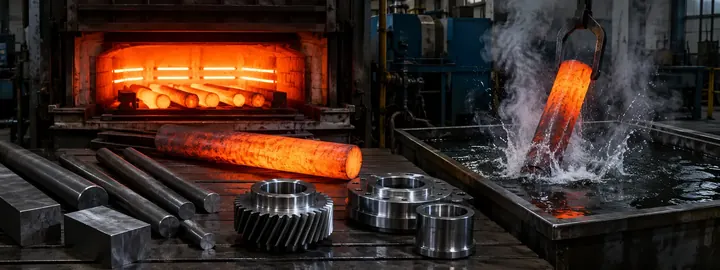
Carburizing consists of adding carbon to the surface of the part so it can be hardened. For 8620, the typical process is:
- Case hardening (carburizing): the part is heated to about 925 °C in a carbon-rich atmosphere, and the carbon penetrates the surface.
- Quenching: heat to 840–870 °C and quench in oil; only the carbon-enriched surface hardens.
- Tempering: a low temper, at 150 to 200 °C, to relieve stresses without losing hardness.
The result is these reference values:
| Zone | Hardness / size | Result |
|---|---|---|
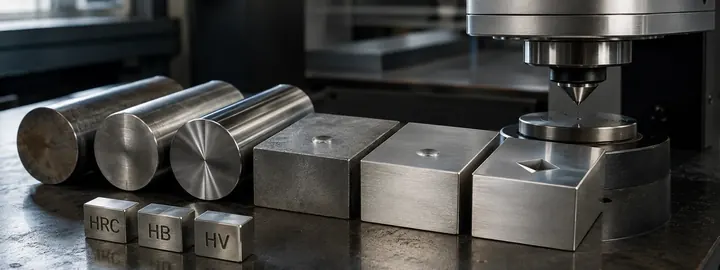
| Surface (case) | 58 – 63 HRC | Very hard, resists wear |
| Core | 30 – 42 HRC | Tough, absorbs impact |
| Carburized case | 0.5 – 2.0 mm | Adjusted to the part |
What is it for? Applications of 8620
8620 is the steel for parts that combine wear and impact:
- Gears
- Pinions
- Shafts
- Bushings
- Cams
- Carburized parts in general
Forms and sizes we carry
At NAT MAC we stock 8620 steel in:
| Package size | Sizes |
|---|---|
| Round bars | Ø 1-5/8" (41 mm) a 12" (305 mm) |
| Plates | 1/4" (6 mm) to 10" (254 mm) thick |
If you need a particular size, tell us which one and we will gladly source it for you.
8620 equivalents and standards
8620 steel is also identified by these standards: AISI 8620 / DIN 1.6523 (21NiCrMo2) / JIS SNCM220. You can see how to read them in our article on steel standards.
In summary
- 8620 is a low-carbon Cr-Ni-Mo steel made for carburizing
- Typical composition: C 0.18–0.23 %, Ni 0.40–0.70 %, Cr 0.40–0.60 %, Mo 0.15–0.25 %
- Carburizing: 58–63 HRC surface, 30–42 HRC core and a 0.5–2.0 mm case
- Hard surface + tough core: ideal for gears, shafts, cams, and bushings
- We carry it in round bar (1-5/8"–12") and plate (1/4"–10"), cut to size
Why buy your 8620 steel at NAT MAC?
We have more than 54 years of experience as an industrial supplier and ISO 9001 certified quality. 8620 is the best choice when the part needs a hard surface and a tough core; we advise you on the carburized case depth that suits you.
- Quality 8620 Steel, backed and traceable
- Material cut to the size you need
- Technical advice on choosing the right grade for your application
- On-time deliveries and stock in the most requested sizes
Tell us what part you are going to make and in what dimensions, and we will recommend the right grade and form. Request your free quote.
Sources: data sheet from our NAT MAC catalog and public industry references (Metal Supermarkets, AZoM, MatWeb, AoBo Steel and Serviacero). Composition and hardness values are for reference and may vary by standard, heat and treatment.